
Solinox Blog

Benefits of Single Skin Wall Panel Systems
In modern architecture and industrial building design, selecting the right cladding and structural enclosure is vital for energy management, durability, and operational efficiency. Single skin wall panel systems have emerged as a premier choice for commercial and...

What Is the Difference Between a Chimney and a Stack?
In industrial facilities, power plants, manufacturing sites, and commercial buildings, the terms chimney and stack are often used interchangeably. While both structures are designed to discharge gases safely into the atmosphere, there are important differences in...

What Materials Are Used to Build Industrial Chimneys?
Industrial chimneys are essential components of modern manufacturing plants, power generation facilities, refineries, and commercial buildings. They are designed to safely discharge exhaust gases, combustion byproducts, and process emissions while maintaining...

What Is a Single Skin Metal Wall Panel?
Single skin metal wall panels are widely used in industrial, commercial, and utility buildings due to their durability, lightweight construction, and cost-effectiveness. These panels consist of a single layer of metal without any built-in insulation and are commonly...

Industrial Steel Chimney Design Standards, Materials, and Key Applications
Industrial manufacturing, power generation, and large-scale heating plants require robust exhaust solutions capable of handling extreme temperatures, corrosive gases, and structural loads. An industrial chimney or industrial steel chimney system is not merely a...

Double Curtain Wall System: How It Improves Insulation and Facade Performance
Modern architectural engineering and industrial design demand a strict balance between thermal efficiency, structural integrity, and environmental resistance. The double curtain wall system—often adapted conceptually across both high-rise building facades and advanced...

What Are the Common Profiles for Single Skin Wall Panels?
Single skin wall panels are widely used in industrial and commercial buildings due to their durability, lightweight structure, and cost-effectiveness. These panels are available in various profiles, each designed to provide different levels of strength, aesthetics,...

How Tall Are Industrial Chimneys?
Industrial chimneys play a critical role in safely venting combustion gases, process emissions, and exhaust air from industrial facilities. One of the most important design considerations for any chimney system is its height. The height of a chimney directly affects...

Can Single Skin Panels Be Used for Residential Applications?
Single skin metal panels are commonly associated with industrial buildings, warehouses, and commercial facilities. However, as modern architectural trends increasingly embrace metal cladding, many homeowners and designers are asking whether single skin panels are...

How to Select the Ideal Chimney System for Residential Performance?
Selecting a dual-flue configuration requires a precise understanding of thermal dynamics and structural compatibility. When your home requires multiple venting paths—perhaps for a combination of a fireplace and a central heating unit—the choice between a double wall...
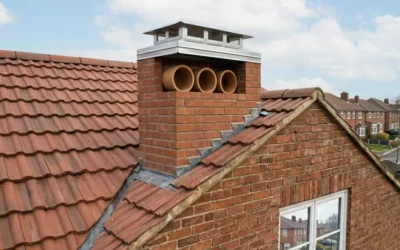
What are the benefits of having a double or multi-flue chimney?
Modern architectural requirements and diverse heating needs often necessitate more than a single exhaust path within a residential or industrial structure. When a property utilizes multiple heat sources such as a central heating boiler alongside a decorative fireplace...
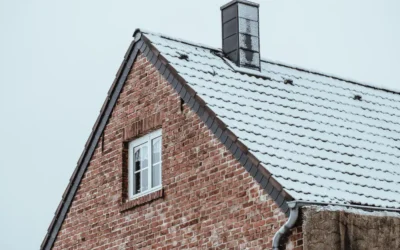
What are the Three Types of Chimneys?
Selecting the right exhaust solution is a critical decision for any construction or renovation project. In the industry, chimneys are generally categorized based on their construction material and structural design. For brands like Solinox, understanding these...