
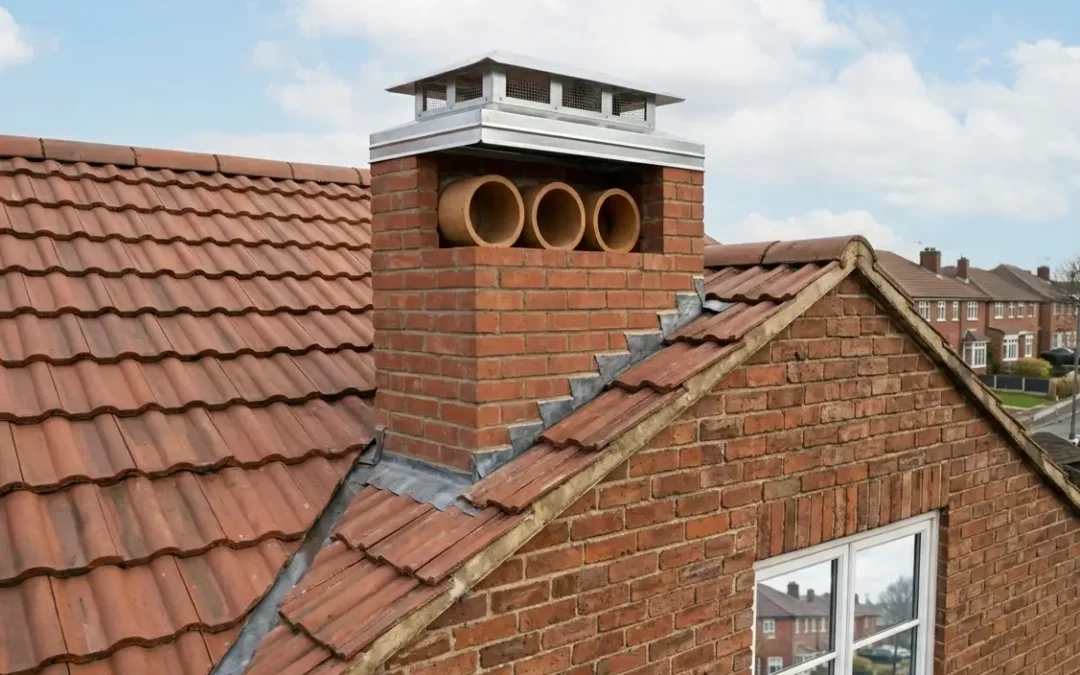
Modern architectural requirements and diverse heating needs often necessitate more than a single exhaust path within a residential or industrial structure. When a property utilizes multiple heat sources such as a central heating boiler alongside a decorative fireplace or a pellet stove a multi-flue chimney system becomes a mechanical necessity. Understanding the technical advantages of these systems is essential for ensuring long-term structural safety and peak thermal efficiency.
The integration of multiple flues into a single chimney housing allows for a centralized exhaust management zone. This configuration is most effective when utilizing a high-grade double wall chimney system, which provides the thermal isolation required to keep independent exhaust streams from interfering with one another.
What is a Multi-Flue Chimney System?
A multi-flue chimney system is an engineered assembly where two or more independent liners (flues) are housed within the same chimney structure or casing. Each flue serves a specific appliance, ensuring that the exhaust from a solid-fuel stove does not mix with the gases from a high-efficiency gas boiler. To prevent heat transfer between these liners, which can disrupt the draft of the adjacent flue, a double skin chimney design with mineral wool insulation is the preferred technical standard.
Operational Advantages of Dual and Multi-Flue Configurations
Implementing a multi-flue strategy offers several distinct benefits for the modern building:
- Appliance Independence: Each flue is sized and material-matched to a specific appliance. For instance, a pellet stove pipe requires different pressure ratings compared to a standard wood-burning fireplace. A multi-flue system allows these to coexist without compromising the performance of either unit.
- Space and Aesthetic Optimization: Instead of installing multiple independent industrial steel chimney structures across a roofline, a multi-flue system consolidates the exhaust points. This reduces the number of roof penetrations, lowering the risk of water ingress and maintaining a cleaner architectural profile.
- Enhanced Draft Stability: In a double wall chimney system, the internal insulation keeps the flue gases hot. When multiple flues are grouped, the ambient heat within the common enclosure helps maintain a more consistent temperature across all liners, reducing the time needed to reach an optimal draft during cold starts.
- Simplified Maintenance: Centralizing the chimney systems allows for more efficient professional inspections and cleaning. Technicians can access all venting paths from a single location, reducing labor time and maintenance costs over the life of the building.
Precision in Multi-Flue Engineering
Solinox chimney systems are designed with a modular approach that excels in multi-flue applications. Our components are manufactured using AISI 316L stainless steel for the inner liners, providing maximum resistance against the corrosive byproducts of different fuel types.
For exterior runs, the Solinox double wall chimney system utilizes high-density insulation that ensures the outer casing remains cool even when multiple appliances are operating at full capacity. This thermal stability is critical for preventing the condensation that often plagues a single wall chimney system when exposed to external temperature fluctuations.
Selection Criteria for Multi-Flue Systems
When planning a multi-flue installation, technical accuracy in component selection is paramount:
1. Material Compatibility
Ensure the stainless steel grade is appropriate for the fuel. While a single wall chimney system may be suitable for lining a masonry shaft for a gas appliance, a double wall system is required for solid fuels to manage higher temperatures and creosote risks.
2. Independent Termination
To prevent “re-entry” of exhaust gases, each flue within a multi-flue system should terminate at slightly different heights or be equipped with specialized chimney systems components like a wind-protected cap to ensure clear dispersal.
3. Structural Support
Multi-flue systems are heavier than single-run systems. Utilizing a robust wall stabilization bracket and dedicated support plates is necessary to secure the vertical load of the stainless steel chimney systems.
By opting for a Solinox double skin chimney configuration, homeowners and engineers gain a reliable, high-performance exhaust solution that meets international safety standards while providing the flexibility to power multiple heating units simultaneously.